

PRINT TESTING
PRINT TESTING
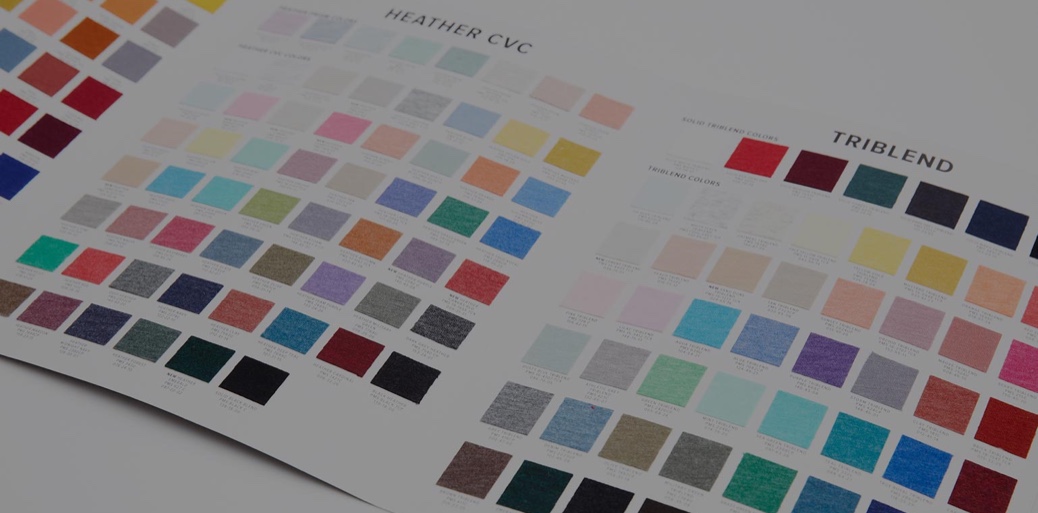
We tested many of our top-selling solids, heathers, and triblends for discharge and dye-migration. Check out the results below and compare different fabrications within a color.
Discharge Rating Scale Definitions

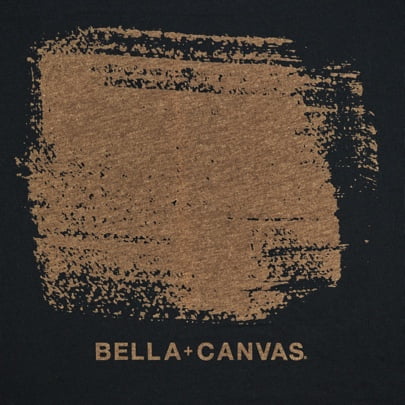
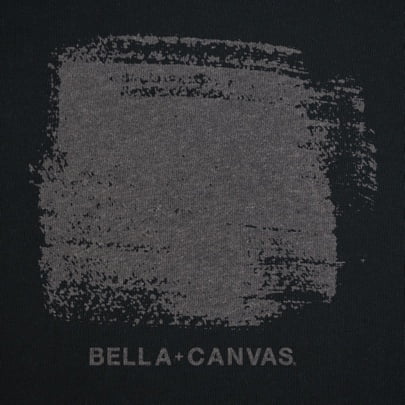
Testing and recommendations provided by MADE Laboratory. Due to the inherent variables in the screen-printing process and in each production environment, this resource should serve as a reference only and is not intended as a substitute for performing your own testing.
FABRIC GUIDE
Below you will find fabric details per fabrication.
A test sample run
is always recommended before
printing large quantities.
 For best results we suggest using a poly ink and/or poly blocker for all fabric containing polyester
Fabric
Care
Instructions
Retail Jersey
100% Airlume combed and ring-spun cotton, 32 single 4.2 oz/yd2, 142 g/m2. Custom fabrications apply for Athletic Heather, Marble Colors, and Striped colors.

Triblend Jersey
50% polyester, 25% Airlume combed and ring-spun cotton, 25% rayon, 40 single 3.8 oz/yd^2, 115 g/m^2. Black Heather Triblend Fabrication - 70% Airlume combed and ring-spun cotton, 15% polyester, 15% rayon.

Heather CVC
52% Airlume Combed and ring-spun cotton 48% polyester 32 Singles 4.2 oz/yd^2.

Flowy Poly Viscose
65% polyester, 35% viscose, 32 single 3.7 oz/yd^2, 125 g/m^2. Custom fabrications apply for Athletic Heather.
Sponge Fleece
52% Airlume combed and ring-spun cotton, 48% polyester fleece, 8.0 oz/yd^2, 220 g/m^2.

Triblend Sponge Fleece
50% polyester, 37.5% Airlume combed and ring-spun cotton, 12.5% rayon, 32 single 8.2 oz/yd^2, 278 g/m^2.
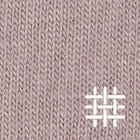
Micro Rib
52% Airlume combed and ring-spun cotton, 48% polyester micro rib, 32 singles., 5.4 oz
FAQs - Printing & Fabric Resources
 What are the temperature and pressure settings for DTF on BELLA+CANVAS products?
Do your DTG fleece colors still need to be pretreated, or is there a pretreatment already on
them?
What are your printing suggestions for your Sueded Fleece fabrication?
My print changed colors after printing, what is happening?
This is the effect of dye-migration which can occur when a garment contains polyester or has a special treatment, like garment dye, has been exposed to heat in the ink curing or heat pressing process.
- To mitigate this issue in screen printing, we recommend using a specially formulated low-bleed gray poly-blocking under-base in addition to your subsequent colors also being low-cure, low-bleed. Ensure your flash and dryer are at the lowest temperature recommended by the ink manufacturer. Avoid hot stacking the garments.
- To mitigate this issue in heat pressing, we recommend ordering transfers with poly-blocking properties and following the transfer manufacturer’s instructions, pressing at the lowest recommended temperature.
- To mitigate this issue for DTG, please refer to your DTG machine manufacturer for clarification on printing garments outside those generally recommended.
When screen-printing your Flowy fabrication, the fabric tends to shift on press even when using
pallet adhesive, why is this happening?
- Keep your graphics to within 1-3 colors
- Increase the registration tolerance between colors, ie: do not butt-register
- Do not overprint multiple layers of ink
- Avoid excessive flash-drying on press
My screen-printed ink is cracking after washing, is this an ink issue or a fabric issue?


